
 Navigation -


<<< Back to Index

News
https://www.lidl.co.uk/s/en-GB/store-finder/chester/caldy-valley-rd/
 Lidl Caldy Valley
Caldy Valley Retail Park
Off Caldy Valley Road
Great Boughton
Chester
CH3 5PR
Now Open.
Your Lidl store at Caldy Valley Road Chester CH3 5PR.
Caldey Valley Road, your new Lidl store is open.
The supermarket has confirmed its second store in the city.
Explore our range of high quality fresh food & product offers. Enjoy great prices & latest deals in store. Shop today and use your Lidl Plus app.
Covered space for 12 bicycles.


https://www.lidl.co.uk/s/en-GB/store-finder/chester/caldy-valley-rd/
Lidl Caldy Valley
Caldy Valley Retail Park
Off Caldy Valley Road
Great Boughton
Chester
CH3 5PR
Now Open.
Your Lidl store at Caldy Valley Road Chester CH3 5PR.
Caldey Valley Road, your new Lidl store is open.
The supermarket has confirmed its second store in the city.
Explore our range of high quality fresh food & product offers. Enjoy great prices & latest deals in store. Shop today and use your Lidl Plus app.
Covered space for 12 bicycles.
Santa Float
www.chesterroundtable.com
Chester Grosvenor 76 Round Table
Santa Float
December 2025
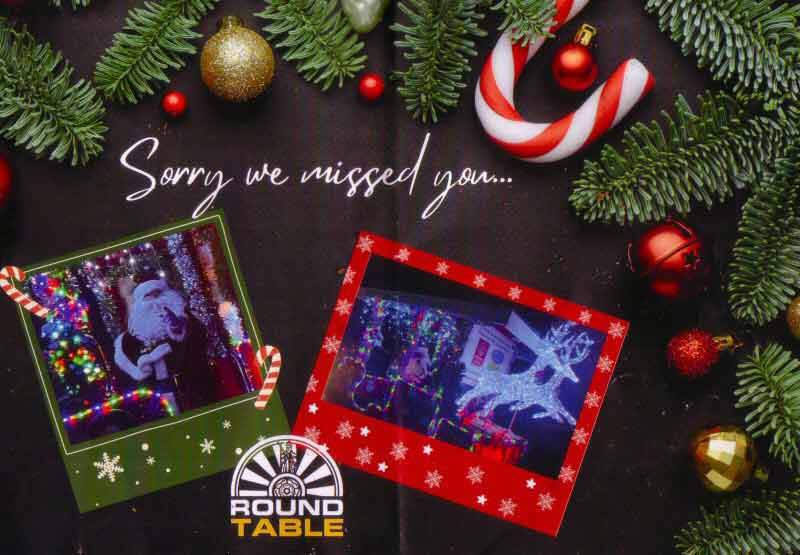
"You better watch out, you better not cry, you better not pout, I'm telling you why: Santa Claus is coming to Chester"
The Santa Float
Friday 12th December 2025
Great Boughton Chester
6pm start at The Peacock Public House
Here is the route for the Santa Float
The Chester Grosvenor 76 Round Table will be out with volunteers from the Cherry Grove PTA.
And taking both Foodbank and cash donations so please give generously.
If you don't have cash on the night do not worry as their elves have card machines.
They have done their very best to cover the whole area.
So if you are not on the route please do go and join them.
At their starting location and please note their route could change due to access or weather.

www.chesterroundtable.com
Chester Grosvenor 76 Round Table
Santa Float
December 2025
"You better watch out, you better not cry, you better not pout, I'm telling you why: Santa Claus is coming to Chester"
The Santa Float
Friday 12th December 2025
Great Boughton Chester
6pm start at The Peacock Public House
Here is the route for the Santa Float
The Chester Grosvenor 76 Round Table will be out with volunteers from the Cherry Grove PTA.
And taking both Foodbank and cash donations so please give generously.
If you don't have cash on the night do not worry as their elves have card machines.
They have done their very best to cover the whole area.
So if you are not on the route please do go and join them.
At their starting location and please note their route could change due to access or weather.

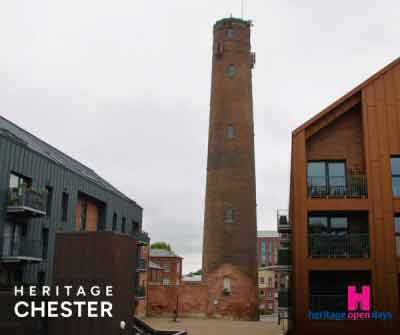
 https://www.facebook.com/Jamesrichardscircus
Tickets available Online and at Box Office
Boughton leadworks sculpture

TBA
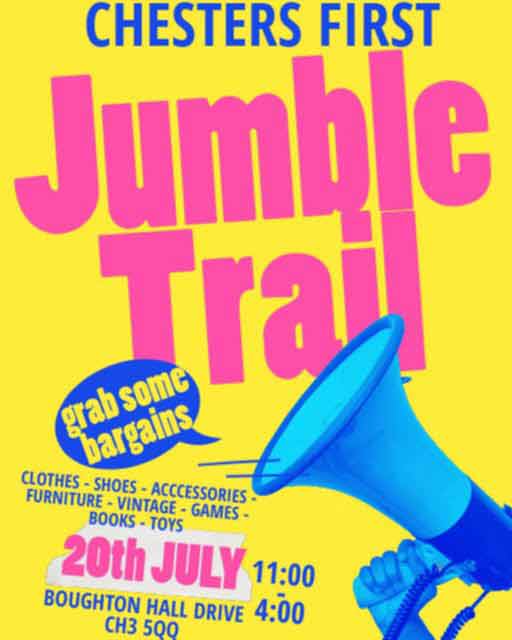
Jumble Trail
Boughton Hall Drive Chester
Chester’s first Jumble Trail is coming to Great Boughton.
What is a jumble trail I hear you ask ?
A jumble trail is a community event where residents sell pre-loved items from their front gardens or driveways, creating a “trail” of stalls for shoppers to explore.
After you have finished at the Chester Rugby Club or the new boot sale on Sealand why not walk round Boughton Hall Drive and see what treasure you can find on offer.

The Sandy Lane Ferry has launched its summer 2025 service and is
FREE again TODAY Sunday 8th June 2025 to celebrate the Chester Regatta.
Established 1733 2025 and will be running early from 8am - 6pm, the service takes passengers across the River Dee from Sandy Lane to the Meadows and back.
Please be aware there is NO public parking at Sandy Lane in Chester this weekend.
So if arriving by car it’s the Chester University car park in Queen’s Park and parking will be £5 to include a Chester Regatta programme.
From the car park follow the Regatta signs to The Meadows to arrive at the ferry dock.
Sandy Lane Ferry 2026 Sailings
The Sandy Lane Ferry starts its full summer 2026 service TBA.
The service takes passengers across the River Dee from Sandy Lane to the Meadows and back.


Chester Canal Side 2 bed character home
1 Churton Street
Boughton
Chester
Cheshire
CH3 5ED
United Kingdom



12th September 2020 - A water main has burst on the main road in Boughton outside Waitrose. Road closed going out of Chester.
September 2020 - New experimental bus lanes have been put on Christleton Road.

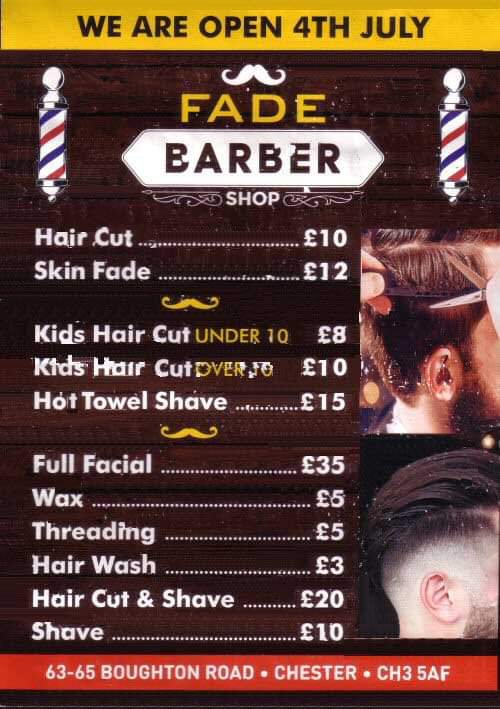
New Shop
Fade Barbers
63-65 Boughton Chester CH3 5AF
July 2020 - Fade Barbers has opened 63-65 Boughton Chester CH3 5AF
www.thekitchencompanychester.co.uk

Construction is finishing on the new Moxy Hotel in Boughton and The Shot Tower Apartments - August 2020

www.facebook.com/No47barbers
New Faulkner Street Shop is now open again.


Open Garden 2021 TBA
150 Barrel Well Hill
Boughton Chester
Will be open again this year for a few days as part of The National Gardens Scheme.
3800 NGS gardens to visit with the best of plants, flowers and garden design (including National Trust). Open your garden.

Icon Hair has closed, Tanning & Beauty has opened www.naturaltanning.co.uk
A History of Boughton
 |
 
  |
Origin of the name
Beach - ton [a settlement were beach trees are growing?]
Bock -stow [blue stone, location of a blue boundary marker stone?]
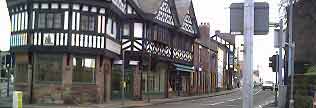
Christleton Road, Chester (30 Minutes walk from the cross)

Introduction
Boughton is a suburb of Chester located a mile to the east of the city on a bend in the River Dee. Boughton has a long history stretching back into Roman times. Natural pure water springs were tapped and water transported to the Roman fortress nearby. Important Roman roads into the fortress were lined with cremation burials and possibly monuments. Traces of a Roman Temple were discovered near Boughton Bars. In the middle ages Boughton was a place of execution and the housing of the sick. Much of Boughton was destroyed in the English Civil War.
St Paul's Church, Boughton from the River Dee. Click for the Web Site >>>

There is not much for the tourist to see in Boughton today. Apart from the small graveyard of the chapel of St. Giles. The recorded history of this area of the city started in roman times. This area was the intersection of 3 roman roads. These roads can be seen on the small map above and the path of these roads can also be seen today.
The name 'boughton' or 'bluestone' may have originated from the placement of a blue boundary stone (now lost) along side the road similar to the Gloverstone which stood outside Chester Castle.

Roman Times
In Roman times Boughton was well outside the Roman Fortress. A number of Roman cremation urns have been discovered dotted throughout the area. Suggesting that the three Roman Roads that converged in the area may have had burials and cremations along them. The most surprising find to come from Boughton was a large Roman Altar standing almost four feet high. It was discovered by workmen in 1821 toppled over almost in situ in a field now lost called 'the daniels'. This was thought to be located somewhere behind the Cherry Orchard Pub.
The altar was damaged by pickaxe before it was discovered what it was. The altar marked the position of the well head for the springs for the Roman Fortress. And is dedicated to the 'Nymphs and fountains of the twentieth legion (Valeria Vitrix)'. The inscription is on both sides and it was designed to be seen from two viewpoints.
The altar was purchased privately be the Duke of Westminster. And is now in the private grounds of Eaton Hall.


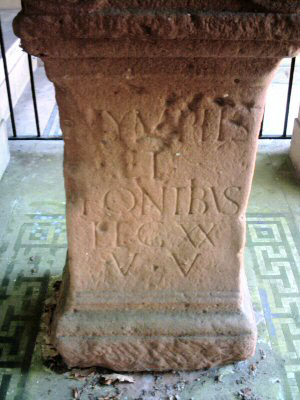
Near the altar was a spring long since dried up. Water was tapped off and conveyed to the fortress by the means of a terra cotta pipeline. Part of the aqueduct was found during the construction of the Grosvenor Park Lodge.
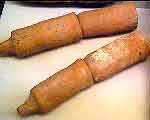
Some of the Roman Terra Cotta pipes found are now in the Grosvenor Museum.
The Hospital
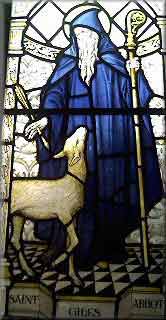
The next major part of Boughton's history starts early in the 12th century when Earl Randle Blunderville founded a leper hospital, a mile from the city walls. This hospital looked after people with all kinds of diseases including the plague. The area is shown on the map as a cluster of pest houses surrounding a chapel, south of the road junction of Christleton and Tarvin Road.
There were in fact two chapels. One in the middle of the fork in the road called Boughton chapel-at-ease, belonging to St Oswald's parish. The other across the road called the Chapel of Spital Boughton. The hospital was granted charters and privileges including the right to extract tax from people passing with goods into Chester.
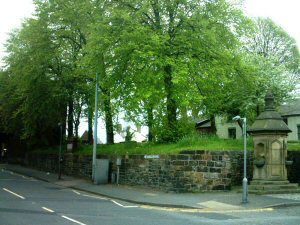
All that is left today is the small graveyard and an inscription. The inscription reads:
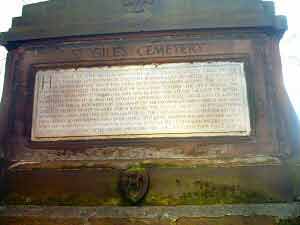


St Giles Cemetery. Here stood the leper hospital and chapel of St Giles. Founded early in the 12th century and endowed by successive Norman earls of Chester they remained in constant use until 1643. When defensive measures during the siege of Chester necessitated the demolition of buildings outside the city walls. The cemetery remained to mark the site and in time the little village of Spital Boughton clustered around it. In 1644 the royalist defenders suffered great loss of life in a gallant sortie in Boughton and many of the fallen were buried here. It was also used for victims of the plagues which ravaged the city in the 16th and 17th centuries. Being extra parochial the site was granted to the corporation by Charles II in 1685. As a burial ground and through for a period in the charge of St Johns parish. It remains in their hands. When protestant martyr George Marsh was burned at the stake on gallows hill close by his ashes were collected by his friends and buried here. The last burial took place in 1854.
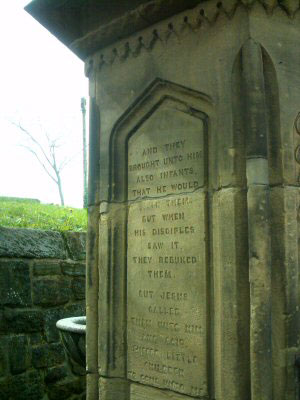
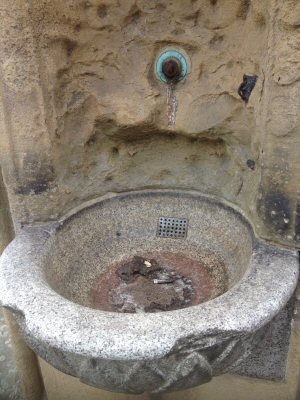
A drinking fountain was erected in the middle of the road. But has since been moved to the side of the cemetery.
It has long since gone out of use. It is inscribed:
"Presented to the city by Miss Humble of Vicars Cross in memory of the late Ed Humble and the ---- who reside there"


George Marsh
A Protestant Martyr
(Born in Deane 1515 - Died in Chester 1555)
(Born in Deane 1515 - Died in Chester 1555)

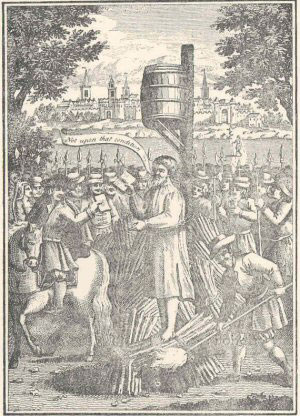
George Marsh was the only person martyred in Cheshire under Queen Mary. He was burned at the stake on the 24th April 1555 in Boughton north of Christleton road opposite the Gallows. George Marsh was condemned to burn to death as a heretic by bishop of Chester George Coats at the consistory court in the Cathedral. Which was then housed in the Lady Chapel behind the high altar.
George Marsh was a preacher from near Bolton in an area on the hill above the town called 'Deane'. He went about his way preaching stories from the bible in the villages around Bolton, he was employed by Edward VI in 1547 as a preaching minister. He was a tall man with a cleaver way with words. But during the reign of Queen Mary his preaching's were out of step with the new Catholic ways. He was brought before the authorities, Justice Barton at Smithills Hall. But refused to change his ways. He was imprisoned for a time at Lancaster Castle but people still flocked to his prison cell to hear him preach. He was then moved to Chester to be tried and executed. He was given the change to go free if he became a Catholic. But he refused to do this. He was taken to Boughton to be burned at the stake. He was tied to the stake and a barrel of tar was set above is head to drip on him as he burned. After he was executed his ashes were collected by his friends and buried in St Giles Cemetery nearby.
Click here for more information

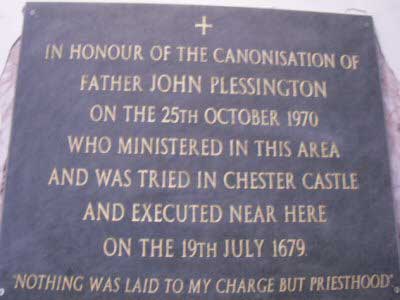
John Plessington
Father John Plessington was the Catholic priest in charge at St Winifred's well, Holywell North Wales. Who was executed at Boughton on the 19th of July 1679. He was made a saint on the 25th October 1970.
There is a memorial to him in the entrance porch of St Werburgh's Catholic Church Grosvenor Road.
Father John Plessington was the Catholic priest in charge at St Winifred's well, Holywell North Wales. Who was executed at Boughton on the 19th of July 1679. He was made a saint on the 25th October 1970.
There is a memorial to him in the entrance porch of St Werburgh's Catholic Church Grosvenor Road.
Click here for more information
http://en.wikipedia.org/wiki/John_Plessington
Civil War


The entire township of Boughton was burned down in the English civil war on 20th July 1643 after an attack. This prevented parliamentarian troops using the buildings as cover to attack the city. West of the Hospital, just before the junction of Christleton road and Hoole Road. Royalist soldiers constructed an earth wall, to protect the city from attack. They built a turnpike barrier across the road. Two gun emplacements flanked it. Even today this area is known as The Mount. Because of the rests the muskets were placed on for steady aim. All that remains now the small graveyard of the hospital.
Near the site of the earth wall there is a 17th century figure high up the brickwork of a shop.


It is said that the small figure which appears to be a 17th Century soldier commemorates an attack on the Boughton suburb and turnpike gate by parliamentarian soldiers before the siege of Chester to clear the way so cannons could be brought along the road to St John's Church. So they could bombard the City within the walls.
Rebuilding
After the civil war Boughton was gradually rebuilt. For example, Boughton Hall. Which has an old fireplace with the date 1655 and TH inscribed above it. Boughton House on Sandy lane has a 17th century gable. The hospital was never rebuilt. Instead it was transferred to Northgate Street.
The ancient gateway called the Boughton Barrs was demolished.
Boughton Bars area today.
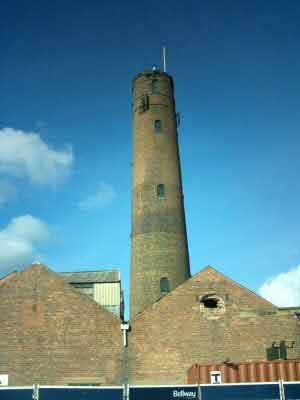
The Old Leadworks
October 2012 - Approval has been granted for Neptune Developments to create 52 apartments, 8 retail units, cafe courtyard and heritage centre.
October 2012 - Approval has been granted for Neptune Developments to create 52 apartments, 8 retail units, cafe courtyard and heritage centre.
Click here for more information
19th Century
Walmor House was built in 1890 over looking the river Dee on Sandy Lane. It was the headquarters of the Cheshire Fire Service until 1997. On Christleton Road the space by St. Giles cemetery was left after the 19th century Black Lion public house was demolished in 1971. The history of that establishment can be traced back to 1696. When the lord mayor greeted William III on his visit to Chester outside.
St Pauls church in Boughton was redesigned in 1875 by the Chester architect John Douglas.


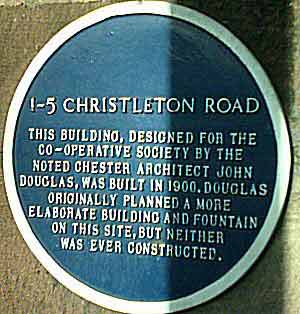
Numbers 1 - 5, Christleton Road designed by John Douglas. It used to be a Post Office. The drinking fountain to the side was originally located in front of the building.


John Douglas restored the church of St Pauls.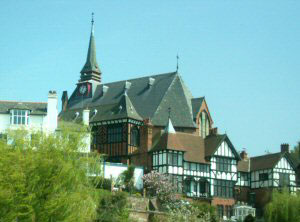

20th Century
In the 20th century the Peacock pub was relocated from the other side of the road (From the site of the Peacock garage), to the corner of Heath Lane. This was to allow the parking of cars. The area continued to grow, and many houses and streets were built around Christleton Road.
Just before the war years, rows of shops were built along Christleton Road before the peacock. A cinema was built next to the peacock but was never used as such. It is now an auction room.
Sainsburys located a supermarket on the roundabout.
Today many fine houses line the River Dee at Boughton.
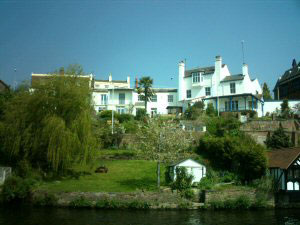
Boughton Shops.
The River Dee and the Meadows can be viewed in some places.
The Sandy Lane Ferry
http://cwac.co/N6ssJ
Cheshire West and Chester Council
September 2022
Have you ever used the Sandy Lane Ferry in Chester ?
If so, please let us know what you think.
We’re asking for views so we can improve or perhaps extend the service http://cwac.co/N6ssJ
http://cwac.co/N6ssJ
Cheshire West and Chester Council
September 2022
Have you ever used the Sandy Lane Ferry in Chester ?
If so, please let us know what you think.
We’re asking for views so we can improve or perhaps extend the service http://cwac.co/N6ssJ

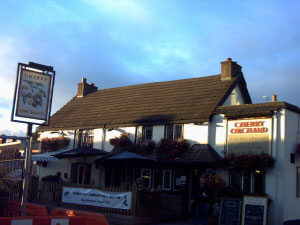
The Pubs of Boughton
The Peacock on Christleton Road. |
The Cherry Orchard, Boughton close to the Peacock | The Mount just off Chrisleton Road |
The Spital Vaults off Chrisleton Road | The Twirl of Hay, near Sainsburys |



21st Century
New Canalside Housing Developments.
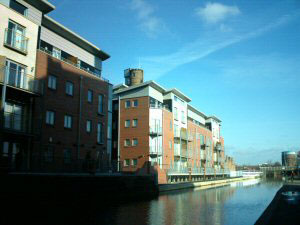
The area of the old lead works and the canal side are currently subject to new housing developments.
Below are pictures of Stocks Lane bowling green, Walmore Hill path to the river and Sandy Lane paddling pool.


www.audio-excellence.co.uk
86/90 Boughton
Chester
CH3 5AQ
01244 345576
Fax : 01244 348134
Email : chester@audio-excellence.co.uk

Smashies Smash Burgers
59 Boughton
Chester
CH3 5AF
01244 340 330
www.smashies.co.uk
New Fast Food Outlet near Chester in Boughton.
NEW burger takeaway Opening 4th January 2022.
Click here for more information
|
|


Sainsbury's Supermarket in Boughton near Boughton Heath Roundabout
Click here for more information

Premier Inn Chester Central South
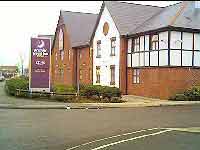
Boughton Heath Roundabout. The entrance to Chester from the A41 from Whitchurch, A55 from North Wales, M53, M56.

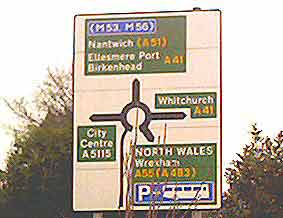
The Entrance to Chester on the A41 heading into Boughton

Going along the A41 into Boughton

The Peacock Pub and the start of the Boughton Shops
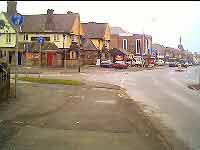
Shopping in Boughton
Click here to find out more >>>


Great Boughton
Chester
CH3 5QL
0844 815 9001
 www.mercurechester.co.uk
 126 En-suite Bedrooms
 Large Private Car Park in front of the Hotel
Previously known as Ramada Jarvis Chester and The Abbots Well Hotel
A warm and friendly welcome awaits you along with comfortable beds with crisp cotton linen and soft duvets, flat screen TVs with on demand movies, loungable sofas and fine food and wines all in a relaxing atmosphere. Mercure Chester East offers a range of areas to eat and drink including an outside patio overlooking our beautiful gardens in the summer months. For the more active our Sebastian Coe Health and Leisure Club offers full gym facilities along with a large swimming pool, Sauna and steam room. Beauty treatments and massages are available on request. Whether for business or pleasure looking after you is our No 1 priority.
Click here for more information
Click on the Buttons Below to Book On-Line

Panarama of the Shops at the Bars in Boughton, Chester.

The Water Tower is now a listed building !
www.acaciafloraldesigns.co.uk
Acacia Floral Designs have moved to Saltney
Business in the area
|
Kutchenhaus Chester
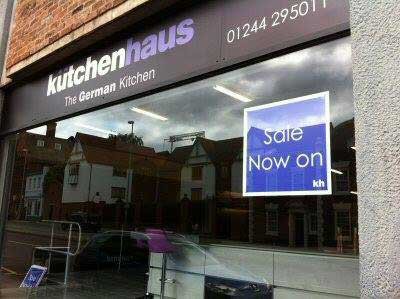 | Kutchenhaus ChesterUnit 2 157 - 167 Foregate Street Chester CH1 1HS 01244 295 011 showroom@chester.kutchenhaus.co.uk www.kutchenhaus.co.uk/planning/showrooms/ Kitchen Showroom
|
|
Twisted Barrels
 | Twisted BarrelsChester CH3 5AF 01244 318 041 http://www.facebook.com/twistedbarrels
|
|
Deva Wines
 | Deva WinesChester CH3 5AF 01244 320 321 |
|
Aliz
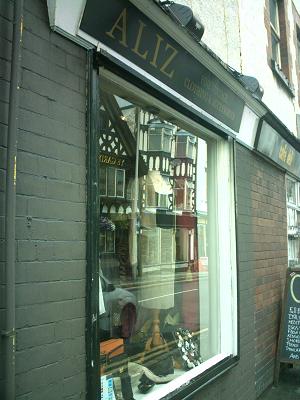 | AlizBoughton Chester CH3 5UG 077 330 76721 www.alizvintage.co.uk |
|
Davis Outlet Kitchen
 | Davis Outlet KitchenBoughton Chester CH3 5UG 01244 342 135 07890 024 151 sales@davisok.co.uk www.davisok.co.uk |
|
Tanners Wines

| Tanners WinesNew House 150 Christleton Road Chester CH3 5TD www.tanners-wines.co.uk Tanners Wine Merchants. Buy Wine Online. Independent family wine merchants. |
|
Entyce Creative

| Entyce CreativeChester CH3 5DB 01244 310 140 info@entyce-creative.com www.entyce-creative.com |
|
Flair Hairdressing Salon
 | Flair Hairdressing SalonChester CH3 5RW 01244 324 851 |
|
Chester Convenience Store
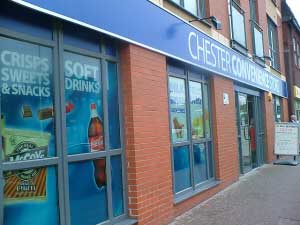
| Chester Convenience StoreChester CH3 5AE 01244 324 081 |
|
The Roy Castle Lung Cancer Foundation
| The Roy Castle Lung Cancer FoundationChester 01244 315 284 https://www.roycastle.org |
|
Second Time Around Furnishings

| Second Time Around FurnishingsBoughton Chester CH3 5UG 01244 316 394 Graham and Gary Shacklady grahamshacklady@aol.com 07831 318 411 07889 988 887 |
|
Simon Boyd
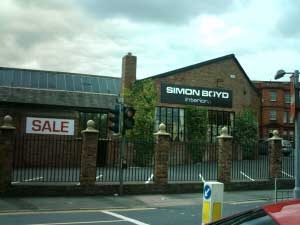
| Simon BoydBoughton Chester 01244 311 160 www.simonboyd.com |
|
Alec Ainley

| Alec AinleyBoughton Chester CH3 5UQ 01244 346 558 Fax 01244 315 505 alec.ainley@btclick.com www.alecainleyelectrical-chester.co.uk |
|
Kebab 58
 | Kebab 58Boughton Chester CH3 5TD 01244 639 295 |
|
Flowers by Emma of Chester

| Flowers by Emma of ChesterBoughton Chester CH3 5TD 01244 348 295 |
|
Parkinson Property Rentals

|
Parkinson Property RentalsChester CH3 5BH 01244 351 300 parkinsonrentals@aol.com www.parkinsonrentals.co.uk |
|
The Bike Factory

| The Bike FactoryBoughton Chester 01244 317 893 thebikefactory.co.uk |

|
ProBike Motorcycle TrainingChester and North Wales info@probikemct.co.uk 01244 822 151 www.probikemct.co.uk ProBike Motorcycle Training is the home of motorcycle and scooter training in Chester, North Wales and Wirral, with the largest off-road training centre and practice site in the country, and two local sites at Deeside (next to Deeside Ice Rink/Leisure Centre) and on Sandy Lane Chester. |
Videos
Events
www.chestermusictheatre.com
Reviews
 Date Visited 4th March 2024
Internal Links
Events
www.chestermusictheatre.com
Reviews
Date Visited 4th March 2024
Internal Links
www.chestermusictheatre.com
Reviews
Date Visited 4th March 2024
Internal Links
Date Visited 4th March 2024
Internal Links
External Links
https://www.cheshire-live.co.uk/whats-on/chesters-dark-past-revisited-grim-24752583?fbclid=IwAR2_wCDYJBBggRJHpu02A4PN0tE8XS4ddZNZt_JtnnrcZpyitAjvZ9Ct6wY


This page was last updated

 © 2026 Button IT Net